
3-MeO-PCP
dissociative research chemical (3-methoxyphenyl)cyclohexyl]-piperidine is classified as a dissociative compound.
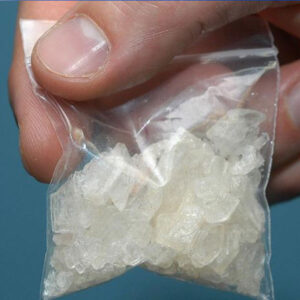
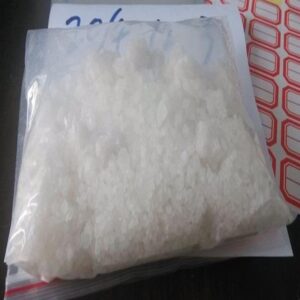
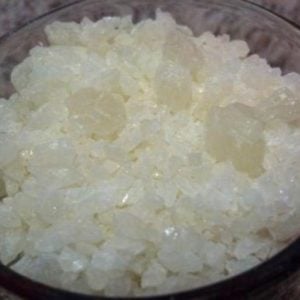
3-Methoxyphencyclidine (commonly known as 3-MeO-PCP or 3-MeO). Is a dissociative research chemicallesser-known novels dissociative substance of the arylcyclohexylamine class that produces dissociative. anesthetic, and hallucinogenic effects when administered. It is structurally related to arylcyclohexylamines like PCP, MXE, and 3-MeO-PCE.
3-MeO-PCP was first synthesized in 1979 to investigate the structure-activity relationship of phencyclidine (PCP) derivatives. Its activity in humans was not described until 1999 when a chemist using the pseudonym John Q. Beagle reported qualitative similarities to PCP along with comparable potency.
Q1: What is 3-MeO-PCP?
3-MeO-PCP is a dissociative compound in the arylcyclohexylamine class, related to PCP and ketamine, primarily discussed in research contexts.
Q2: What effects are reported with 3-MeO-PCP?
Reported effects include dissociation, altered perception, euphoria, and cognitive changes, though intensity varies widely.
Q3: How does 3-MeO-PCP compare to PCP?
While chemically related, 3-MeO-PCP is often described as more manageable in moderate amounts, with unique dissociative properties.
Q4: What is the history of 3-MeO-PCP?
First synthesized in the 1970s, it gained attention in online research circles decades later for its dissociative profile.





Reviews
There are no reviews yet.